Pets
-
 Super Admin
Posted on : 26 Sep 2026


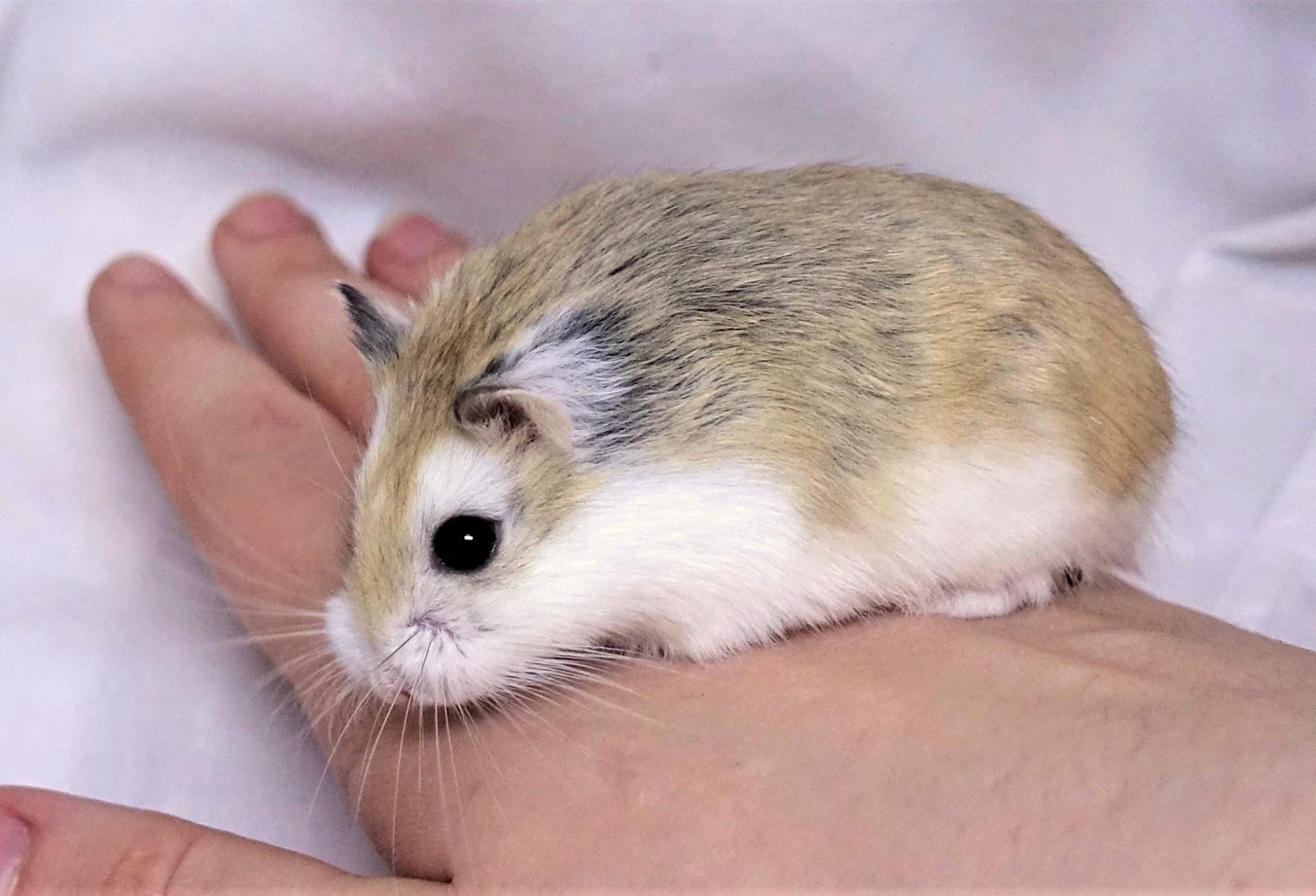
The Dwarf Hamster is a tiny, energetic and adorable small mammal loved for its curious nature and playful behavior. These little hamsters are fascinating to watch as they run, burrow, explore and collect food. At Wingsland Exotic Park, Nellipoyil, visitors can discover the charming world of these miniature animals.
“Dwarf hamster” refers to several small hamster species rather than one single species. Depending on the type, they originate from parts of Central Asia, Russia, China and Mongolia.
In the wild, many dwarf hamsters live in dry grasslands and semi-desert environments, where they create burrows for shelter and protection.
Some commonly known types include:
They differ in size, coloration, temperament and natural habitat.
Dwarf hamsters are characterized by their small size and soft fur. Depending on the species, they may have:
Their compact size makes them particularly fascinating to observe.
Dwarf hamsters are omnivores and need a balanced diet.
Their diet can include:
Treats should be given in moderation, particularly sugary foods, as some dwarf hamsters can be prone to weight-related problems.
Despite their tiny size, dwarf hamsters are active animals that need plenty of enrichment.
A suitable habitat should provide:
They are generally most active during the evening and night.
Social behavior varies between dwarf hamster species. Some may tolerate living with compatible hamsters under appropriate conditions, while others are better kept individually.
Never assume that all dwarf hamsters can safely share the same enclosure. Housing decisions should be based on the particular species and the animals' behavior, with fighting and stress carefully avoided.
Dwarf hamsters can mature relatively quickly and may reproduce frequently. A female can have multiple pups in a litter.
Responsible breeding requires careful planning, appropriate housing, good nutrition and a safe, quiet environment for the mother and babies.
Common health concerns can include dental problems, obesity, skin conditions, respiratory infections and digestive issues.
Daily observation is important. Changes in appetite, activity, breathing, droppings or appearance can indicate a health problem and should be assessed by a qualified veterinarian.
The tiny Dwarf Hamsters at Wingsland Exotic Park, Nellipoyil are sure to attract the attention of animal lovers and children. Watching these energetic little creatures burrow, explore, run and interact with their surroundings is a fun way to learn about small mammals.
Visit Wingsland Exotic Park, Nellipoyil, and discover a colorful world of birds and adorable animals!