Real Estate
-
 Super Admin
Posted on : 18 Dec 2025


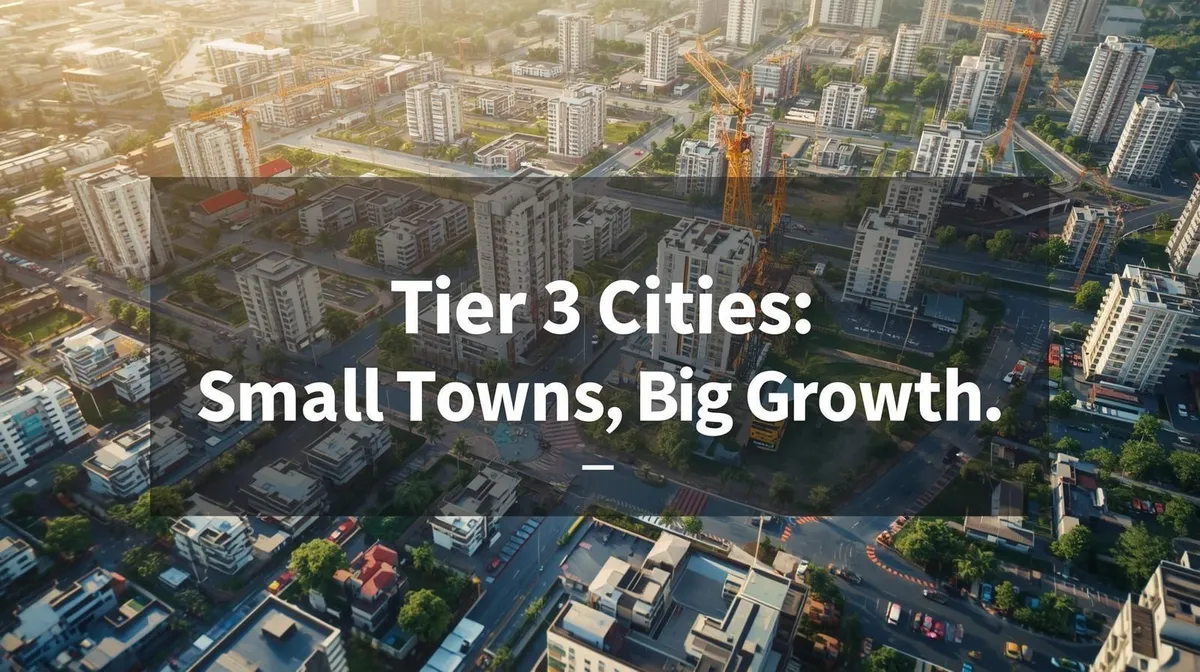
Buying property in a Tier-3 city in India can feel like searching for a needle in a haystack: fewer listings, patchy information, slow approvals, and uneven developer activity all make the hunt tougher than in metros. This post explains the main challenges, shows an illustrative comparison across seven difficulty factors, and points to older public reports and trackers you can consult when researching these markets.
Limited inventory & inconsistent supply — fewer new projects and long tails of small, informal sellers.
Weaker infrastructure & connectivity — roads, public transit and civic services are still catching up in many towns.
Higher friction in finance & approvals — loan availability, developer financing and RERA/project registrations are less predictable than in larger cities.
Lack of transparent pricing / market data — formal price indices have historically focused on top metros; data for smaller cities is spotty. Use the Housing Price Index and industry reports for broad trends, but treat city-level detail with caution.
Demand volatility & local dynamics — buyer interest can spike or drop quickly depending on local jobs, industry and civic projects.
Below is an explanatory chart that compares Tier-1, Tier-2 and Tier-3 markets across 7 factors that commonly affect how hard it is to find / buy property:
This chart is an illustrative analysis (constructed to explain trends reported in industry sources — not raw measured prices for specific towns). Use it to visualize why Tier-3 searches typically feel harder
Go local — literally. Spend time on ground visits and speak to local brokers, RERA office and municipal planning; many listings never reach national portals.
Use multiple data sources. Combine developer listings, local RERA project registers, state/municipal project updates and national HPI/industry reports to triangulate price history.
Check approvals thoroughly. For plotted developments or independent houses, ask for approved plans, title abstracts and (where applicable) RERA registration.
Verify finance options early. Smaller towns may have fewer lenders active — pre-check local banks and NBFCs for loan eligibility.
Factor in non-price costs. Travel time, patchy utilities, and potential extra legal work can add to the total cost and time to move in.
Track local catalysts. New highways, industrial parks or government projects can change demand quickly — monitor local news and state development plans.
Finding property in a Tier-3 Indian city is harder than in metros because of structural supply, data and approval frictions — but it’s also where many buyers find affordability and long-term opportunity. Use the industry reports mentioned above for historical context, combine them with local due diligence, and treat any single data source cautiously.
Posted on : 18 Dec 2025